


There’s more to brutalist architecture than just concrete. Once seen as cold, imposing and even ‘ugly’, this bold post-war style is enjoying a revival and is now being celebrated for being ambitious, idealistic, and surprisingly human.
Online forums are coming alive as a new generation discovers an appreciation for brutalist architecture. “I never thought I'd say this, but brutalism can be beautiful,” says one Reddit user. While one poster on X says: “I'm starting to really get into brutalism. There's something so honest about it."
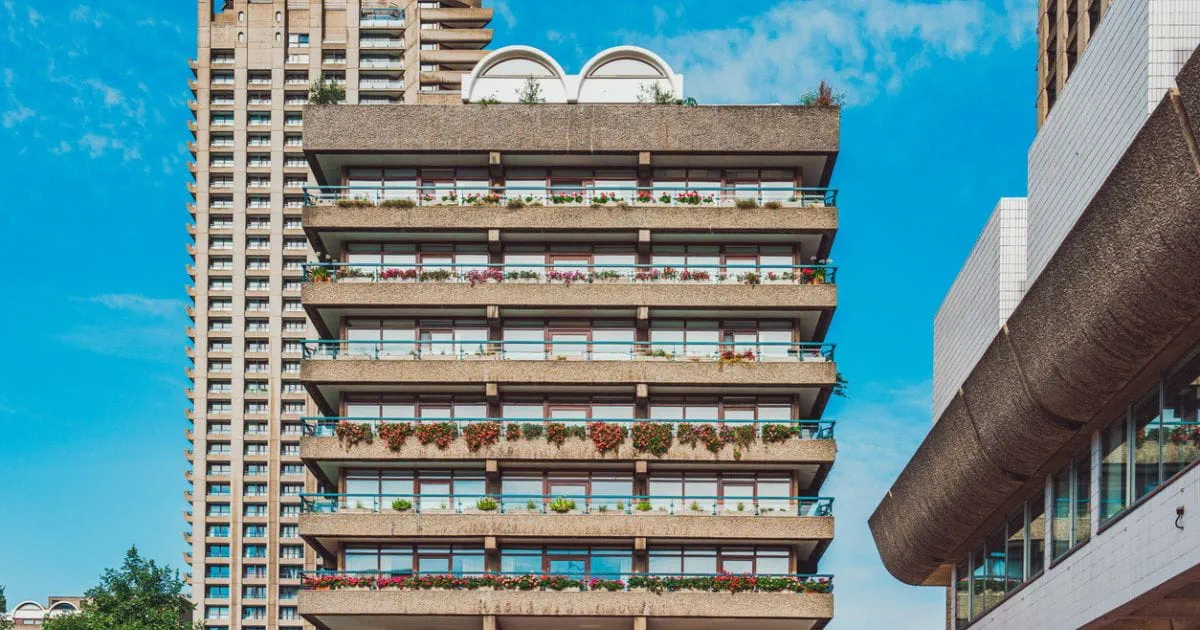
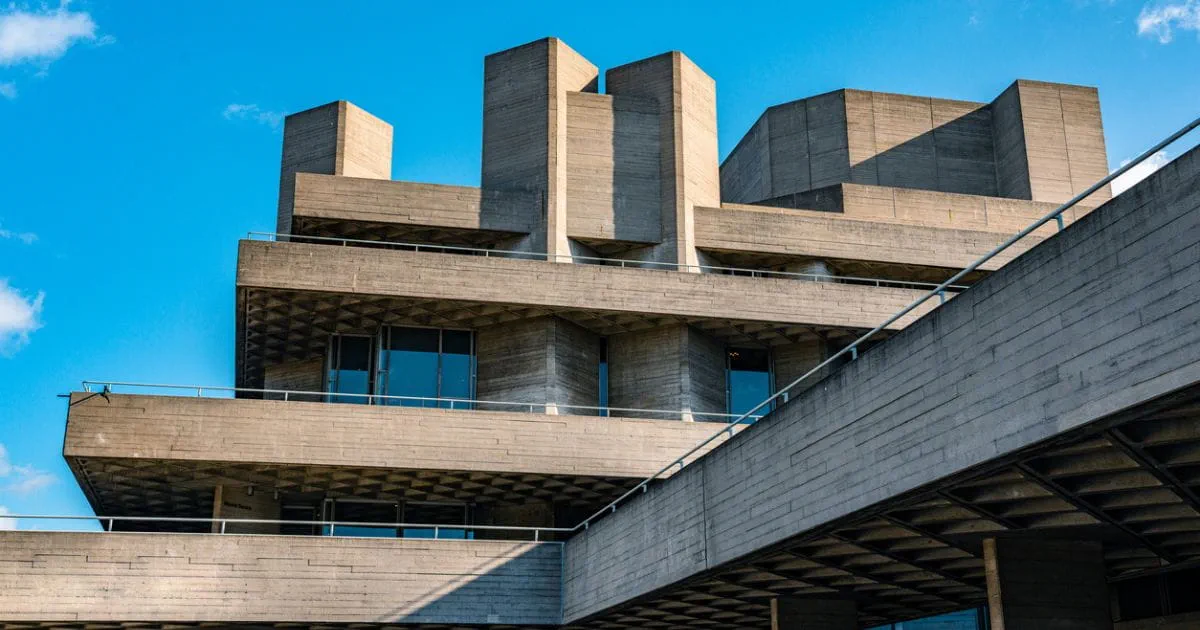
While London has famous examples like the Barbican estate and the National Theatre, one of the most complete brutalist environments in England is hiding in plain sight, just a 20-minute train ride away. That place is Stevenage.
Forget any jokes you’ve heard about roundabouts and council estates. Stevenage is an astonishing time capsule, a town built from scratch on a vision for the future. For anyone interested in design, history, architecture, or just looking for a truly different day trip, it’s a must-see. It offers something rare: the chance to walk through a world where architecture was meant to build a better society.
Stevenage: A brutalist architecture dream
To truly understand Stevenage, you need to know why it was built. After the Second World War, it was chosen as England’s first 'New Town'. The idea was to move people out of London's crowded slums and into a freshly built, modern town with clean air, green space, and a better quality of life.
The designers had a blank canvas. Their revolutionary idea was to create the UK's first-ever town centre built just for people. By putting shops, cafes, and public squares in a pedestrianised area completely free of cars, they put community first. Walking there today, you can still feel the optimism of that simple decision.
An architectural walking tour of Stevenage
Bring a camera and an open mind, the whole town centre is a lesson in modern design.
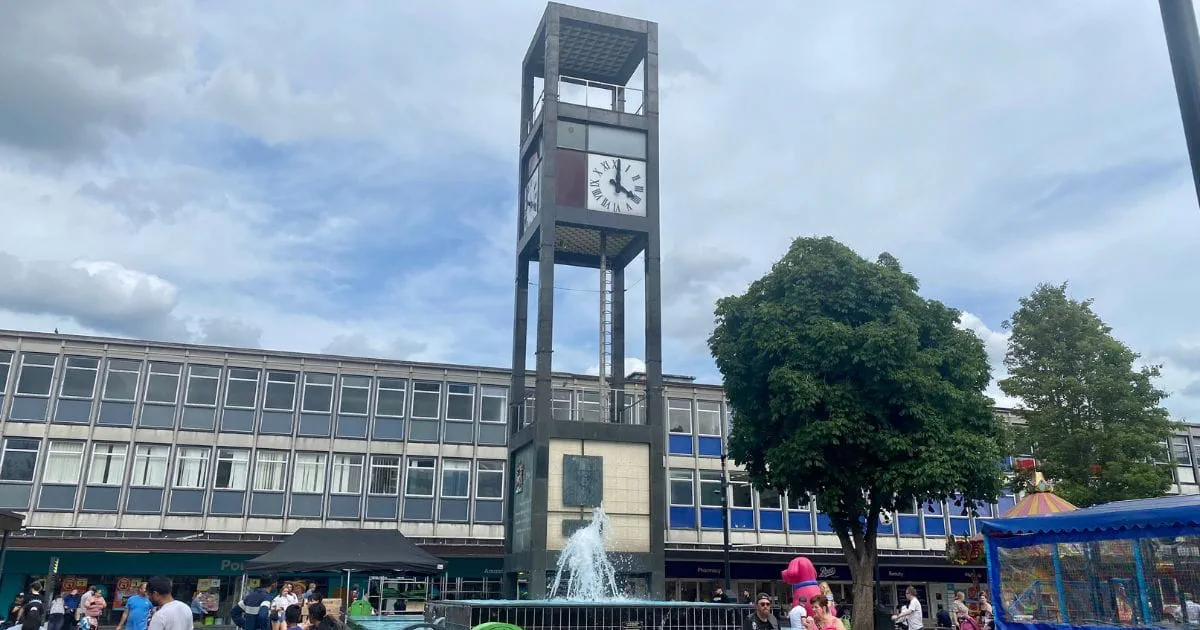
Start in the Town Square. This is the heart of the town: an open, public space anchored by its iconic Grade II listed Clock Tower. Look at the surrounding buildings, with their orderly patterns of windows and integrated sculptures - it was all part of a plan to weave art and design into daily life.
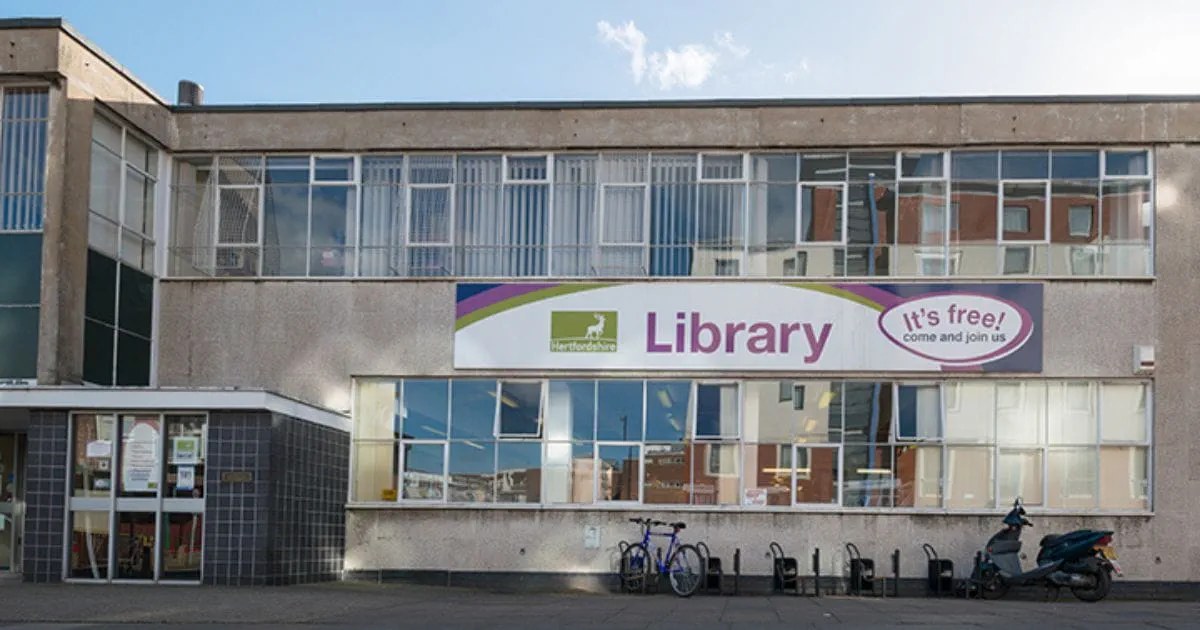
Next, head to Stevenage Central Library. It’s a wonderful mix of blocky shapes, with the satisfying contrast between rough brick and smooth concrete. The building was designed to feel grand and full of light, a welcoming place for everyone to come and learn.
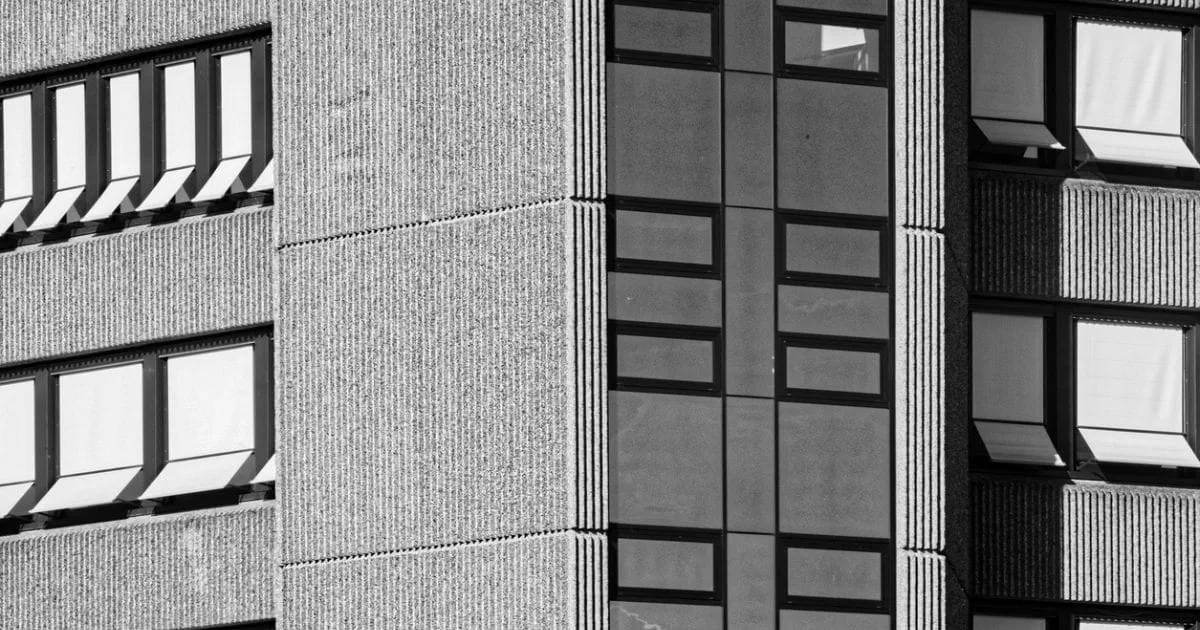
For a pure hit of brutalism, head to Vista Tower (formerly Southgate House). It's a huge, powerful block of a building, the kind of bold, no-frills design the style is famous for.
Even the everyday structures are special. Look for the old Co-op Department Store, with its strong concrete front covered in repeating geometric shapes. Pay attention to the underpasses and footbridges. They’re more than just ways to cross the road; they are like concrete sculptures. If you look closely at the walls, you can still see the faint marks from the wooden planks used to build them.
Stevenage on the silver screen
If Stevenage looks familiar, it’s because you’ve likely seen it in films or on TV. Its unique and authentic look makes it a dream for location scouts. It’s been used as the filming location for blockbusters like Eyes Wide Shut (1999), Spy Game (2001), and Proof (2005). It’s a town that doesn’t need special effects to look cinematic.
Stanley Kubrick, who directed, produced and co-wrote Eyes Wide Shut, had a long-standing fascination with the stark visual language of post-war architecture, and nowhere is this clearer than in his 1971 cult-classic A Clockwork Orange, where he used the concrete landscapes of Thamesmead and Brunel University to heighten the film’s atmosphere of alienation and menace.
While Eyes Wide Shut was partly filmed in Stevenage, Kubrick has not spoken publicly about why he chose the town as a filming location. Stevenage’s New Town architecture, shaped by the same post-war planning ideal that produced the brutalist architecture that Kubrick used in earlier films, suggests continuity in his interest in environments that could unsettle audiences. By revisiting spaces born from utopian planning but so often perceived as 'ugly' or oppressive, Kubrick played with the tension between normality and an underlying darkness.
Why you should visit Stevenage
You’ve probably seen Stevenage on the train map and never thought to go. Well, why would you? But, every stop is a story, and Stevenage is no exception. This unassuming town is not a perfectly polished museum piece, it’s a real, living place, with all the messiness and change that comes with it.
That’s what makes it so fascinating, and every lover of brutalist architecture should take the time to visit. It offers a direct connection to a time when England was brimming with hope for the future.
Whether you’re a brutalist fan, a lover of architecture in general, or are just curious to see something new, a trip to Stevenage is a chance to see a bold vision and take some fantastic photos. Go and see it for yourself.